
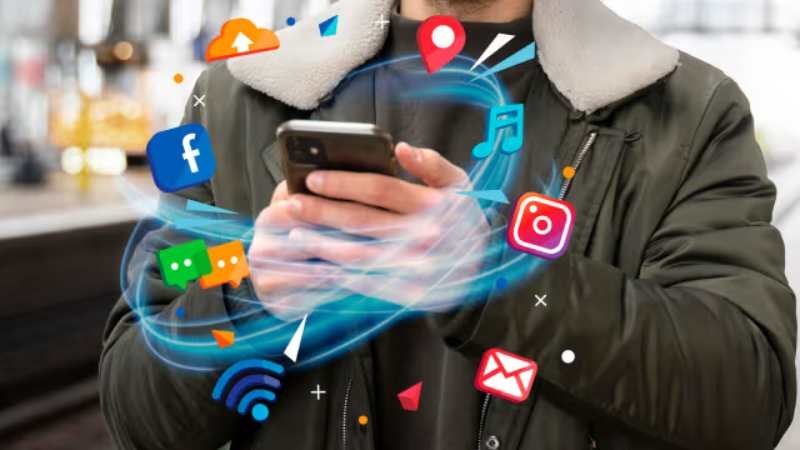
The Growing Influence of Social Media in Shaping Modern Communication and Lifestyle
Social media has transformed the way people communicate, share information, and interact with the world around them. What began as simple online networking platforms has evolved into a powerful global ecosystem influencing business, culture, education, entertainment, and personal relationships. Today, social media is not just a digital activity; it has become an essential part of daily life for billions of people worldwide.
The Evolution of Social Media Platforms
In the early days of the internet, online communication relied heavily on emails and discussion forums. The introduction of social media platforms changed everything by allowing users to create profiles, share updates, and connect instantly with others. Over time, these platforms expanded beyond personal communication to include live streaming, multimedia sharing, and real-time interaction.
Modern social media platforms now serve multiple purposes. They function as news sources, marketing tools, entertainment hubs, learning environments, and even professional networking spaces. The rapid evolution of these platforms reflects society’s growing demand for faster and more engaging communication.
Social Media as a Communication Revolution
One of the most significant impacts of social media is the way it has redefined communication. Distance is no longer a barrier to maintaining relationships. Families separated by countries can interact daily through messages, photos, and video calls.
Social media also encourages open conversations among diverse communities. Individuals can share opinions, experiences, and creative ideas with audiences that were previously unreachable. This level of accessibility has empowered voices from different backgrounds, allowing discussions that shape global perspectives.
However, instant communication also requires responsibility. Users must learn to communicate respectfully and verify information before sharing it, as misinformation can spread rapidly online.
The Role of Social Media in Business Growth
Businesses of all sizes now rely heavily on social media to reach customers. Traditional advertising methods have shifted toward digital engagement, where brands communicate directly with audiences through interactive content.
Social media marketing allows companies to build brand identity, showcase products, and receive immediate feedback from customers. Small businesses especially benefit because social platforms provide affordable marketing opportunities without requiring large advertising budgets.
Through storytelling, live sessions, and customer engagement, businesses create stronger emotional connections with their audiences. This direct interaction helps companies understand consumer needs and adapt their strategies quickly.
The eyes are not responsible when the mind does the seeing. It matters not what someone is born, but what they grow to be. Memories warm you up from the inside. But they also tear you apart.
Influencers and the Creator Economy
Another major development in social media is the rise of content creators and influencers. Individuals with unique skills, creativity, or expertise can build large online communities by consistently sharing valuable content.
Influencers impact trends in fashion, technology, fitness, travel, and lifestyle. Many brands collaborate with creators to promote products in authentic ways that resonate with followers. This has created a new digital economy where creativity and personal branding generate income opportunities.
The creator economy demonstrates that social media is not only a communication tool but also a platform for entrepreneurship and career development.
Social Media and Cultural Trends
Social media plays a powerful role in shaping culture. Trends spread across countries within hours, influencing music, fashion, food, and entertainment preferences. Viral challenges, memes, and online movements often reflect societal values and collective emotions.
Cultural exchange has become easier than ever. Users can explore traditions, languages, and lifestyles from different parts of the world without leaving their homes. This global exposure encourages understanding and appreciation of diversity.
At the same time, fast-moving trends highlight the importance of authenticity. Audiences increasingly value genuine content over overly polished or artificial presentations.
Education and Learning Opportunities
Social media has expanded access to knowledge. Educational creators share tutorials, career advice, language lessons, and professional skills through short videos and interactive posts. Students and professionals alike benefit from learning opportunities available anytime and anywhere.
Online communities also allow people to ask questions, share experiences, and collaborate on ideas. From academic discussions to practical life skills, social media has become an informal but powerful learning environment.
The accessibility of educational content helps individuals develop new talents and stay informed about global developments.
Challenges and Responsible Usage
Despite its advantages, social media also presents challenges. Excessive screen time, comparison culture, and exposure to negative content can affect mental well-being. Maintaining a healthy balance between online and offline life is essential.
Privacy concerns are another important issue. Users must remain aware of how personal data is shared and protect their online identities. Digital literacy—understanding how to evaluate information and interact safely online—has become a necessary modern skill.
Responsible usage includes setting boundaries, following reliable sources, and using social media as a tool for growth rather than distraction.
The Future of Social Media
The future of social media will likely focus on deeper personalization and immersive experiences. Emerging technologies such as virtual reality, augmented reality, and artificial intelligence are expected to reshape online interaction.
Users may soon participate in virtual events, interactive shopping experiences, and digital communities that feel increasingly realistic. Businesses, educators, and creators will continue exploring innovative ways to engage audiences in meaningful ways.
As technology evolves, the core purpose of social media will remain the same: connecting people and sharing human experiences.
Conclusion
Social media has become one of the most influential forces of the modern era. It connects individuals across borders, empowers businesses, supports creativity, and expands access to knowledge. While challenges exist, responsible and mindful use allows social media to serve as a positive tool for communication and personal growth.
Ultimately, social media reflects human behavior itself—a space where ideas, emotions, and stories come together. When used thoughtfully, it strengthens relationships, encourages innovation, and helps individuals participate actively in an increasingly connected world.